Cart
0

Table of Contents
- Quality Clothing vs Fast Fashion: A Side-by-Side Comparison
- How to Tell If Clothes Are Good Quality: A Measurable Checklist
- Clothing Fabric Quality Guide: Natural, Synthetic, and Blended Fibers
- Cost Per Wear Clothing: The Math That Changes Everything
- Durability, Lifespan, and Environmental Impact Compared
- Building a Timeless Wardrobe: Practical Steps for Any Budget
- Where Fast Fashion Still Wins (and Where It Doesn't)
- Conclusion: Making the Choice That Fits Your Life
- Frequently Asked Questions
Last Updated: October 13, 2026
Quality Clothing vs Fast Fashion: A Side-by-Side Comparison
Quality clothing is built to last through real wear, while fast fashion is designed to be replaced. The difference shows up in fabric, stitching, and how many times a piece survives the wash. This guide from Urban Mode Wear Store breaks down what separates the two, so you can spend smarter instead of buying the same basics twice a year.
Fast fashion wins on price at checkout; quality clothing wins on price over time. Most shoppers only see the first number.
Key Takeaway
The real question isn't "cheap or expensive." It's "how many wears will I get per dollar?" That single shift in thinking changes almost every purchase decision.
How to Tell If Clothes Are Good Quality: A Measurable Checklist
You can judge garment quality in under a minute by checking four things: stitching density, seam finish, fabric weight, and fiber content. You don't need to be a tailor, just know where to look and what to feel for.
Stitching, Seams, and Construction Details to Inspect
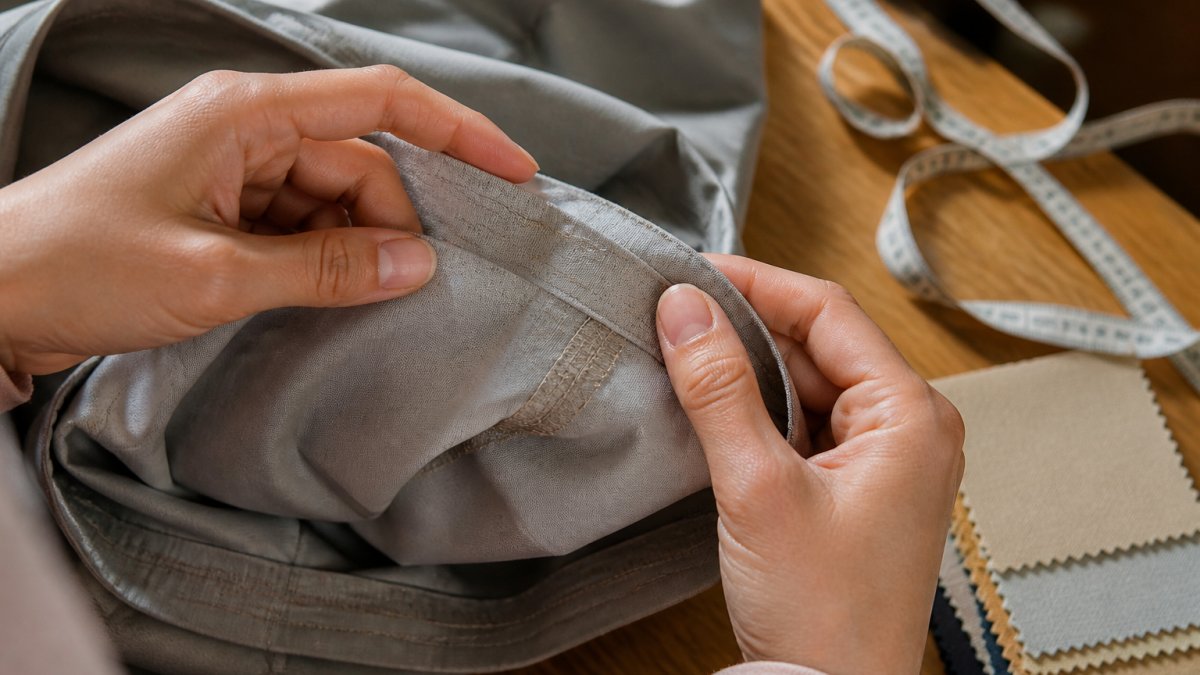
Stitching is the fastest quality signal. Turn the garment inside out and look at the seams.
- Stitch density: More stitches per inch means stronger seams. Sparse, loose stitching pulls apart at stress points.
- Seam finish: Serged or bound seams resist fraying. Raw, unfinished edges will unravel after a few washes.
- Reinforcement: Check the armholes, crotch, and pocket corners. Quality clothing reinforces these high-stress areas.
A common mistake is judging a garment by its outer appearance only. The inside tells the real story.
Fabric Weight, Hand Feel, and Fiber Content
Fabric weight tells you how a garment will drape and how long it will survive. Thin, flimsy fabric pills and stretches out fast; heavier fabric holds its shape.
Run the fabric between your fingers. Slick and plastic-like means mostly synthetic; texture and slight resistance suggests natural fibers or a thoughtful blend. Read the fiber content label every time, a mostly-polyester garment behaves very differently from a mostly-cotton one.
Clothing Fabric Quality Guide: Natural, Synthetic, and Blended Fibers
No fiber is automatically "good" or "bad." What matters is how the fiber is used and what it's blended with.
| Fiber Type | Common Examples | Key Strength | Main Trade-off |
|---|---|---|---|
| Natural | Cotton, linen, wool, silk | Breathable, ages well | Wrinkles, can shrink |
| Synthetic | Polyester, nylon, acrylic | Durable, cheap, stretchy | Traps heat, pills over time |
| Blended | Cotton-poly, rayon-spandex | Balances comfort and stretch | Quality varies widely |
Natural fibers like cotton and linen breathe well and develop character with age. Synthetics resist wrinkles and cost less, but pill and hold odor.
Take our Men's Checkered Button-Down Shirt: a 55% cotton and 45% polyester blend that balances breathability with easy care and durability.

Pro Tip
When comparing blends, look at which fiber comes first on the label. The first-listed fiber makes up the largest share, so "60% cotton" behaves very differently from "60% polyester."
Cost Per Wear Clothing: The Math That Changes Everything
Cost per wear is the purchase price divided by the number of times you actually wear the item. A $20 top worn twice costs $10 per wear; a $60 top worn 40 times costs $1.50. The cheaper item often costs more.
But the formula is only useful if you can fill in the denominator honestly, and that's where most cost-per-wear advice falls apart.
How to Estimate Wears Without Guessing
Build a reasonable estimate from four inputs:
- Wear frequency: How often will you realistically reach for this? A weekly staple gets 50 wears a year; a special-occasion piece might get 3.
- Season length: A heavy coat in a cold climate may see 90 wears a season; the same coat in a mild one may see 20.
- Expected lifespan: How many wash-and-wear cycles before the fabric pills, seams fail, or the color fades? This is where construction and fiber content matter.
To sanity-check an estimate, count how many times you wore the item you're replacing. If your last pair of jeans lasted 14 months of twice-weekly wear, that's roughly 120 wears, use it as your baseline.
A Transparent Comparison With Realistic Assumptions
| Item | Price | Assumed Wears | Cost Per Wear |
|---|---|---|---|
| Fast fashion top | $20 | 8 | $2.50 |
| Quality top | $60 | 60 | $1.00 |
| Fast fashion jeans | $30 | 15 | $2.00 |
| Quality jeans | $90 | 90 | $1.00 |
| Fast fashion work blazer | $45 | 12 | $3.75 |
| Quality work blazer | $150 | 100 | $1.50 |
These are illustrative, not universal. A quality item you never wear has an infinite cost per wear; a cheap item you wear daily can beat an expensive one you don't.
Pro Tip
Run the math on the item you're replacing, not on a hypothetical. Your actual wear history is the most honest denominator you have.
Where Cost Per Wear Breaks Down
Cost per wear is a useful lens, not a law. Three caveats matter:
- Upfront cash is a real constraint. A $1.00 cost per wear is meaningless if you don't have $90 today. Durable clothing is not automatically affordable, and pretending otherwise ignores how most people actually budget.
- Durability is not the same as sustainability. A synthetic jacket that lasts 10 years still sheds microfibers every wash. Long life reduces impact, but it doesn't erase it.
- Style lifespan counts too. A trendy piece you stop wearing after three months has a terrible cost per wear no matter how well it's made. Versatility is part of the equation.
Making It Work at Any Budget
If higher upfront prices aren't an option, spend where the math is most lopsided: the pieces you wear hardest and replace most often. Save everywhere else. Secondhand shopping, clothing swaps, and buying fewer essentials all lower cost per wear without raising your budget.
The goal isn't the most expensive thing in the store, it's to stop paying twice for the same basic.
Durability, Lifespan, and Environmental Impact Compared
Quality clothing typically lasts several times longer than fast fashion, and that lifespan gap is where the environmental difference lives. But the size of that difference depends on assumptions most comparisons never state.
What Actually Drives a Garment's Lifespan
Lifespan is a product of four factors:
- Construction and fiber: Reinforced seams, higher stitch density, and durable fibers resist failure at stress points. Thin fabric and sparse stitching fail early.
- Wear intensity: A work shirt worn weekly ages faster than a blazer worn monthly, even if both are well made.
- Care routine: Hot water, high-heat drying, and frequent washing accelerate fiber breakdown. Cold water, lower dryer heat, and air drying extend life.
The FTC's guidance on textile and clothing care labels explains what those fiber and care labels legally have to tell you, which is why reading them is worth your time. Following the care instructions is one of the cheapest ways to extend lifespan.
Men's Checkered Button-Down Shirt →
The Environmental Math, With Assumptions Stated
A garment's environmental impact comes from fiber production, fabric manufacturing, dyeing and finishing, assembly, transport, consumer use, and disposal. The weight of each stage varies by fiber and care.
That variability is why broad claims like "quality is always greener" deserve scrutiny.
The EPA's facts and figures on textiles in municipal waste show how much clothing ends up in landfills each year.
What Happens After You Stop Wearing It
End-of-life choices matter as much as purchase decisions:
- Resale and consignment: Selling or consigning extends a garment's useful life and recovers some of your cost.
- Donation: Useful for wearable items, but donation is not a guarantee of reuse. Many donated textiles are exported or downcycled.
- Textile recycling: Some municipalities and retailers accept textiles for recycling into insulation, rags, or new fibers. Availability varies widely.
Watch Out
"Donate" is not the same as "recycle." If a garment is worn out, donation may just move the waste problem downstream. Check local textile recycling options before assuming a bin solves it.
The Honest Comparison
The lifespan gap between quality and fast fashion is real, but it isn't automatic. A well-made garment you rarely wear may have a worse environmental profile than a cheap one you wear constantly. The most reliable signal isn't the label or the price, it's whether the garment is built to last, cared for properly, and worn enough to justify its production.
Buying less and buying better reduces your environmental impact more than any single "green" purchase, and it's cheaper over time.
Building a Timeless Wardrobe: Practical Steps for Any Budget
A timeless wardrobe is a small set of pieces that work together across settings, not a closet full of one-season trends. Build one at any budget by prioritizing versatility and fit over volume:
- Pick a neutral base: black, navy, camel, oatmeal, and white mix with everything.
- Buy the pieces you wear most first: jeans, a solid blouse, and one versatile pant.
- Check construction before price: seams, stitching, and fiber content.
Our Panel Straight Cut Denim Jeans with Pockets are a good example of a base piece: a 75% cotton, 23% polyester, 2% spandex blend in a straight cut that moves from casual to polished.

For plus-size shoppers, fit is where quality actually shows.
Where Fast Fashion Still Wins (and Where It Doesn't)
Fast fashion wins on upfront price and speed. For a costume or a trend piece you'll wear a handful of times, the math favors the cheap option.
It doesn't win on anything you'll wear regularly. Basics, workwear, denim, and weekly staples cost more over time if you keep replacing them.
Watch Out
The biggest trap is buying a cheap version of a staple you wear constantly. Replacing a $20 top three times a year costs more than buying one quality piece that lasts. The savings are an illusion.
Not everyone can spend more upfront, and that's a real constraint. Buy quality where it counts most, the pieces you wear hardest, and stay flexible everywhere else.
Conclusion: Making the Choice That Fits Your Life
The quality clothing versus fast fashion decision isn't about being perfect, it's about knowing which purchases deserve more of your budget. Check the seams, read the fiber label, and run the cost-per-wear math before you buy.
At Urban Mode Wear Store, we build pieces meant to earn their place in your closet: premium materials, flattering fits for every curve, plus-size friendly options, and timeless designs that work from the office to the city streets.
Frequently Asked Questions
Does quality clothing actually last longer than fast fashion?
Quality clothing typically lasts longer because of denser fabrics, reinforced seams, and better construction. Fast fashion pieces often use lighter knits and single-stitched seams that unravel after a few washes. A well-made cotton shirt with double-stitched hems and a tight weave can hold up for years, while a thin fast-fashion version may pill or tear within months. The difference comes down to fabric weight, stitch density, and how the garment is finished at stress points like shoulders and pockets.
How do I calculate cost per wear for clothing?
Divide the purchase price by the number of times you realistically expect to wear the item. A $16 pair of jeans worn 100 times costs $0.16 per wear. A $26 shirt worn 200 times costs $0.13 per wear. Fast fashion often looks cheaper upfront, but if a $10 top only survives five wears before fading, that is $2.00 per wear. Tracking cost per wear clothing helps you see which pieces deliver real long-term value.
What is the 3-3-3 rule for clothing?
The 3-3-3 rule is a simple wardrobe guideline: before buying a new piece, ask whether you can style it three different ways, wear it for three different occasions, and keep it for at least three years. If the answer is no, the item probably is not worth buying. This rule pushes you toward versatile pieces that work across settings, from the office to a weekend outing, and discourages impulse purchases driven by short trend cycles.
Can I build a stylish wardrobe without buying fast fashion?
Yes. Start with a small core of well-made basics: a few quality tops, one or two pairs of durable jeans, and versatile pants that transition between work and casual settings. Look for natural fibers and blended fabrics with enough weight to hold their shape. Pieces like a plus-size rayon-blend blouse or a cotton-polyester checkered button-down can anchor multiple outfits. Add secondhand finds and repair what you own before replacing it. Building a timeless wardrobe is about choosing fewer, better items that mix and match easily.
How can I tell if a garment is well made before buying it online?
Check the listed fiber content first. Fabrics with a higher percentage of natural fibers like cotton or rayon generally feel better and breathe more. Look for details about stitching, seam finishes, and whether stress points are reinforced. Read customer reviews that mention fit consistency and how the garment holds up after washing. If the product page mentions specific construction details, like double-stitched seams or quality-checked craftsmanship, that is a positive signal. When sizing is uncertain, review the size chart and return policy before ordering.
Most wardrobes don't fail from a lack of clothes. They fail from too many pieces that don't last. If you're ready to buy less and wear more, Urban Mode Wear Store offers premium materials, flattering fits for every curve, and plus-size friendly sizing built for real wear. Explore the collection and add to cart with confidence.