Cart
0
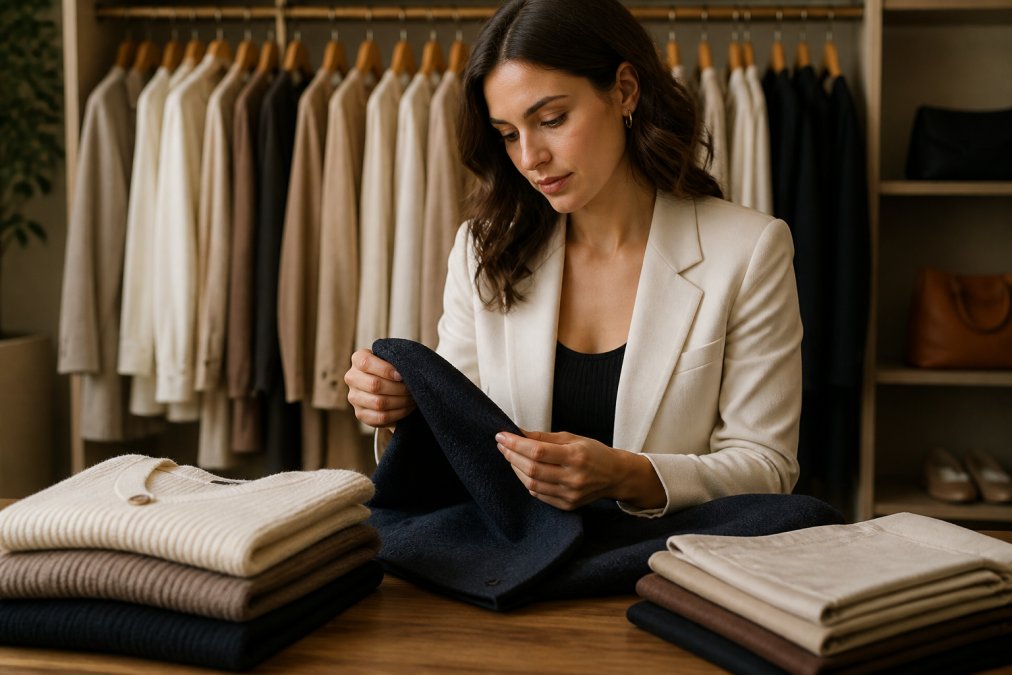
Table of Contents
- Why the Price Tag Doesn't Tell the Whole Story
- The Cost Per Wear Formula: Your Honest Price Check
- How to Identify High Quality Clothing Before You Buy
- Where Expensive Clothing Justifies Its Price
- When You're Paying for a Label, Not Longevity
- How to Care for Premium Fabrics and Extend Their Life
- Building a Cost-Effective Capsule Wardrobe
- The Verdict: Is Expensive Clothing Worth It for You?
- Frequently Asked Questions
Last Updated: September 6, 2026
Why the Price Tag Doesn't Tell the Whole Story
A high price tag often reflects brand marketing as much as material quality. Cost-per-wear, fabric composition, and construction quality determine the true value of your purchase. This guide breaks down how to evaluate clothing like a professional buyer.
Value is not about the sticker price; it is about how many times you will wear the item and how well it holds up over time.
The Cost Per Wear Formula: Your Honest Price Check
The cost per wear formula is the most effective tool for determining whether expensive clothing makes financial sense. Divide the purchase price by the number of times you expect to wear it: Price ÷ Estimated Wears = Cost Per Wear.
A $300 pair of wool trousers worn twice a week for three years costs roughly $0.96 per wear, while a $60 fast fashion dress worn twice costs $30 per wear (thebalancemoney.com).
| Item Type | Price | Estimated Wears | Cost Per Wear | Verdict |
|---|---|---|---|---|
| Fast Fashion Dress | $60 | 2 | $30.00 | Poor value |
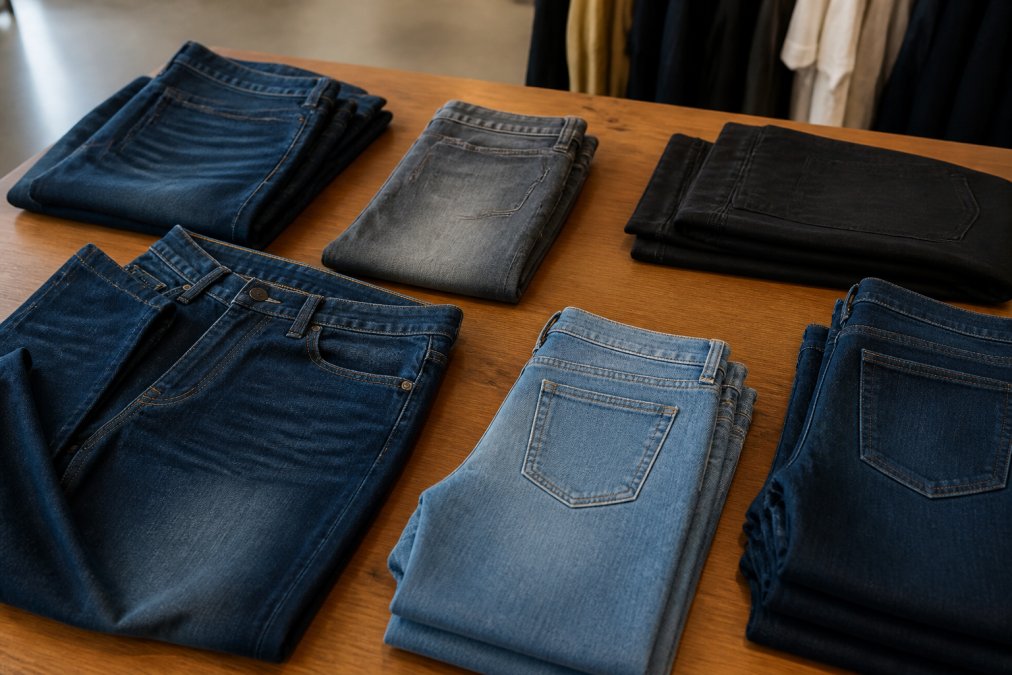
| Premium Denim Jeans | $150 | 150 | $1.00 | Excellent value |
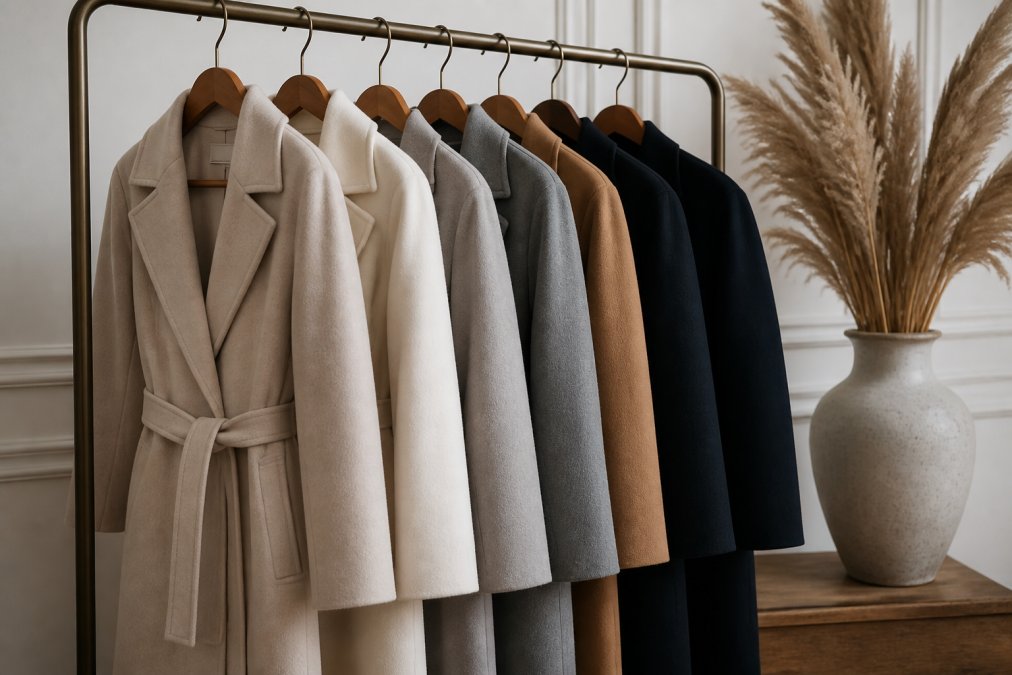
| Designer Wool Coat | $400 | 200 | $2.00 | Smart investment |
| Trendy Blouse | $45 | 5 | $9.00 | Overpriced |
Key Takeaway
A $300 garment worn 100 times is a better financial decision than a $30 garment worn twice. Always calculate cost per wear before you buy, not after.
How to Identify High Quality Clothing Before You Buy
High quality clothing is defined by material composition, weave density, and stitching precision, not the designer name. Before you buy, inspect three critical areas: fabric, construction, and finishing details.
Fabric Quality and Material Composition
Natural fibers like linen, wool, cotton, and silk generally outperform synthetics in durability and breathability. A genuine linen blazer develops a patina over years, while a polyester blend may pill within months. Check the care label for natural fiber percentages.
The Technical Case for Natural Fibers
Wool fibers have a natural crimp and scales that trap air, regulating temperature (woolmark.com). A high-quality wool suit uses 100% extra-fine merino wool with a fiber diameter of 17-19 microns (woolmark.com). A polyester suit lacks moisture absorption, causing clamminess and a permanent shine at stress points within a year.
Silk's triangular prism structure refracts light, giving it luster. A 19-momme or higher silk blouse drapes heavily and resists wrinkling, while 12-momme silk feels papery and tears easily. Linen's hollow fiber structure wicks moisture and dries quickly; a quality linen shirt typically weighs 140-180 GSM.
Synthetic Fibers: When They Make Sense
Synthetics are not universally bad. Nylon and elastane are essential for stretch in denim and activewear. The problem arises when brands use low-quality polyester as a cheap substitute for natural fibers. A "poly-cotton blend" (typically 65% polyester, 35% cotton) resists wrinkling but traps heat and odor. If a garment is labeled "wash and wear" or "wrinkle-resistant," check the fiber content.
Garment Construction and Seam Integrity
Turn the garment inside out and examine the seams. Look for a high stitch density, ideally 8 to 12 stitches per inch, and check that seams are straight and reinforced at stress points like the shoulders and crotch. Fraying edges indicate mass-market production.
The Anatomy of a Quality Seam
The type of seam matters. A flat-felled seam, found in premium denim and outdoor gear, folds the raw edge inside itself, creating a durable, water-resistant seam. A French seam, used in high-end dresses, encloses the raw edge within the seam allowance. In contrast, a simple overlock seam (standard in fast fashion) can unravel after repeated washing.
Buttons, Zippers, and Interfacing
Quality construction extends to hardware. A well-made garment uses buttons made from natural materials like corozo nut, mother-of-pearl, or real horn, while plastic buttons crack within a year. For zippers, look for YKK or Riri brands. A quality dress shirt will have fused interfacing inside the collar and cuffs that maintains its shape.
Pro Tip
Run your hand across the fabric and hold it up to the light. High quality fabrics feel substantial, drape naturally, and do not allow light to pass through easily, whereas thin, low-quality materials feel flimsy and translucent. Additionally, pinch the fabric between your fingers and rub it, a quality wool or cotton will feel slightly rough and spring back, while a synthetic will feel slick and slippery.
The Burn Test (For Fabric Scraps Only)
If you have a loose thread or a fabric swatch, you can perform a simple burn test to identify fiber content. Natural cotton burns with a steady flame and leaves a soft, gray ash that smells like burning paper. Wool and silk burn slowly, curl away from the flame, and smell like burning hair, leaving a brittle black bead. Polyester and nylon melt and drip, producing a chemical smell and a hard plastic bead. This test is useful when comparing fabric swatches from a tailor.
Finishing Details That Signal Quality
Inspect the finishing details. A quality jacket will have taped or bound interior seams rather than a simple overlock. A quality hem will be hand-stitched or blind-stitched, invisible from the outside. Quality buttonholes are hand-stitched or keyhole style, reinforced at the ends. These details are the first thing a professional buyer checks.
Where Expensive Clothing Justifies Its Price
Expensive clothing justifies its price when it delivers measurable advantages in durability, fit, and versatility. Wardrobe staples like tailored blazers, premium denim, and structured coats are worth the investment because they are worn dozens of times per season. For example, a Bar III Mens Slim-Fit Tan Pinstripe Linen Suit Jacket priced at $80.00 represents exceptional value because genuine linen construction and a slim fit offer the aesthetic appeal of a designer piece without the designer markup.

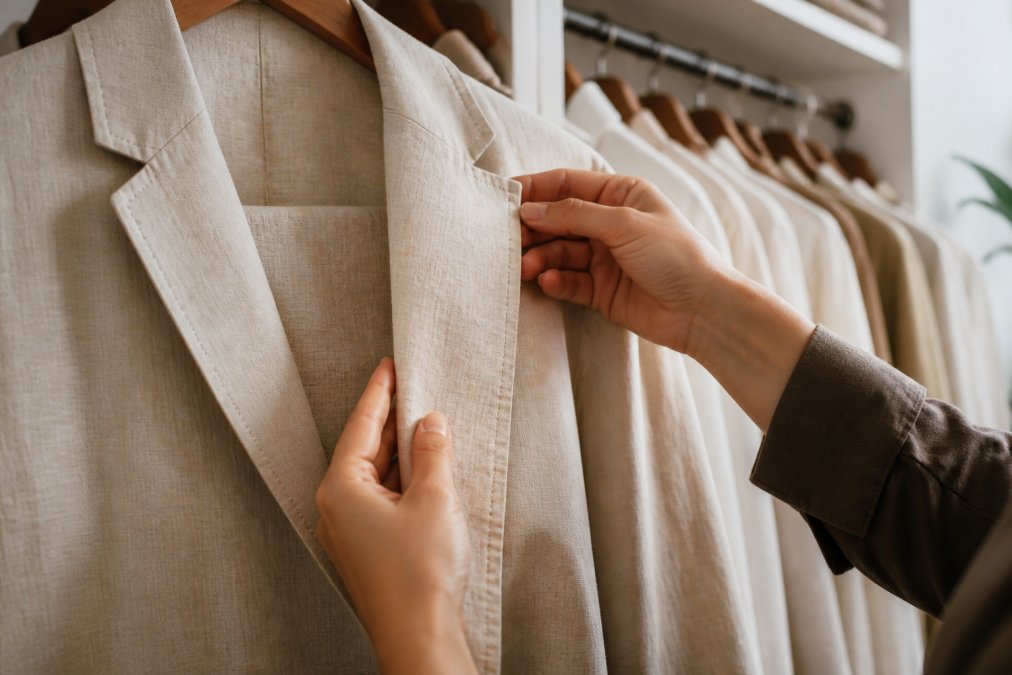
The difference between a $80 blazer and a $400 designer version often comes down to brand markup rather than material quality. The expensive option wins when it aligns with your personal style and can be worn across multiple seasons.
When You're Paying for a Label, Not Longevity
Recognizing when you are paying for a designer name rather than craftsmanship saves you from costly mistakes. Luxury goods often carry a "snob effect" premium, where price reflects scarcity and status rather than materials or labor. If two similar wool coats differ in price by 300 percent but share the same fabric composition and country of origin, the difference is brand markup.
The price-quality heuristic shows that the perception of quality increases with price, even when the product is identical. Always compare the material composition and construction of an expensive item against a mid-range alternative. A designer t-shirt made from the same cotton as a $20 version is not a better product.
Watch Out
Do not assume that a high price guarantees ethical production or sustainable fashion. Some luxury brands outsource manufacturing to the same factories as fast fashion brands, so always research the brand's labor practices independently.
How to Care for Premium Fabrics and Extend Their Life
Proper garment care can double the lifespan of your investment pieces. The biggest mistake is over-washing, which breaks down natural fibers and fades colors. Wool and linen should be washed sparingly and air-dried flat, while silk should be dry-cleaned or hand-washed with a gentle detergent.
The Hidden Cost of Maintenance: A Realistic Budget
Before committing to a $400 wool coat or a $300 silk dress, understand the ongoing maintenance costs. These directly affect your cost-per-wear calculation.
Dry Cleaning: The Recurring Expense
Professional dry cleaning typically costs $15 to $25 per garment for standard items, and $50 or more for specialty items. A wool overcoat worn 30 times per season will likely need cleaning once per season, adding $60 to $100 annually. Over five years, that is $300 to $500 in cleaning alone.
The Dry Cleaning Trap: Frequency vs. Fabric Health
Dry cleaning itself is not benign. The perchloroethylene (perc) solvent can strip natural oils from wool, causing it to become brittle. Experts recommend dry cleaning wool and silk no more than two or three times per year. Instead, spot-clean minor stains with a damp cloth and mild detergent, and air out the garment after each wear.
Specialized Storage: Cedar, Garment Bags, and Moth Prevention
Proper storage is non-negotiable for premium fabrics. Wool and cashmere are susceptible to moth larvae, which feed on keratin. A single infestation can destroy a $1,000 cashmere collection in weeks. Prevention requires cedar blocks or lavender sachets. A set of six cedar blocks costs approximately $20 to $30 and loses potency after six months.
For off-season storage, breathable cotton or canvas garment bags are essential; plastic dry cleaning bags trap moisture and cause mildew. A pack of three costs around $25. Never hang sweaters, the weight stretches the shoulders. Fold them and store flat.
Professional Tailoring: The Ongoing Investment
Expensive clothing often requires professional tailoring to maintain its fit. A standard hem alteration costs $10 to $20, while taking in the waist of a blazer can cost $30 to $60. Over the life of a garment, you may spend $50 to $150 on alterations. This is not a sign of poor quality, it is a sign the garment is worth adjusting.
A Practical Care Routine for Investment Pieces
To maximize the lifespan of your premium garments, adopt a routine that minimizes wear and tear:
- Air out after every wear. Hang the garment in a well-ventilated area for 24 hours before returning it to the closet. This allows moisture to evaporate and odors to dissipate, reducing the need for washing.
- Spot-clean immediately. Treat stains as soon as they happen. Blot (do not rub) the stain with a clean cloth and a small amount of mild detergent or a specialized stain remover like The Laundress Stain Solution. For grease stains on wool, sprinkle cornstarch on the area, let it sit for an hour, and brush it off.
- Wash wool and cashmere by hand. Use a wool-specific detergent like Woolite or Eucalan, which contains lanolin to condition the fibers. Fill a sink with cold water, add the detergent, submerge the garment, and gently squeeze (do not wring). Rinse, then roll the garment in a clean towel to remove excess water, and lay it flat to dry on a mesh drying rack.
- Steam, don't iron. A handheld steamer, available for $30 to $50, is gentler on fabrics than an iron and removes wrinkles without crushing the fibers. For wool suits, steaming also helps revive the natural loft of the fabric. If you must iron, use a pressing cloth and a low heat setting, and never iron directly on silk or wool.
- Rotate your wardrobe. Do not wear the same suit or pair of trousers two days in a row. Fabrics need at least 24 hours to recover their shape and release moisture. Rotation is the single most effective way to extend the life of tailored clothing.
Key Takeaway
Add 10-20% of the purchase price to your cost-per-wear calculation for maintenance. A $400 wool coat with $100 in annual cleaning and storage costs over five years is not a $400 purchase, it is a $900 purchase. Factor this in before you buy, and you will make smarter decisions about which expensive items are truly worth it.
Garment care also means investing in the right tools: a quality steamer, cedar hangers for suits, and fabric shavers for removing pilling. These small habits directly improve textile longevity, ensuring your expensive clothing achieves its full cost-per-wear potential.
Building a Cost-Effective Capsule Wardrobe
A capsule wardrobe concentrates your budget on versatile pieces that work together seamlessly. Instead of owning twenty mediocre items, focus on ten to fifteen high quality staples that can be mixed and matched. This approach prioritizes functional design and timeless silhouettes over fleeting trends.
Start by identifying the core categories that matter for your lifestyle: tailored blazers, premium denim, quality knitwear, and versatile dresses. For example, a Men's Genuine Leather Flat Breathable Loafers at $54.79 offers the durability of genuine leather with a design that transitions from office to weekend wear.

The Verdict: Is Expensive Clothing Worth It for You?
Expensive clothing is worth it when the garment offers superior fabric quality, expert construction, and a design that aligns with your long-term personal style. If you are building a capsule collection of investment pieces, premium items are the smart choice, but if you are chasing trends, cheaper alternatives make more sense. What matters most is developing the skill to identify high quality clothing rather than relying on price as a proxy for quality.
Urban Mode Wear Store offers a curated collection of bold, fashion-forward women's clothing designed to empower your personal style. From premium jeans and blouses to elegant coats and versatile pant sets, our pieces are crafted to flatter every curve and provide a modern, timeless look. We prioritize quality materials and perfect fits, ensuring you feel confident and authentic in every moment. Whether you are dressing for the office or the city streets, our collection helps you curate a wardrobe that is as unique and bold as you are. Get started with Urban Mode Wear Store and build a wardrobe that works as hard as you do.
Frequently Asked Questions
Is a $40 shirt expensive?
It depends on the cost per wear. A $40 shirt worn 40 times costs $1 per wear, which is reasonable. But a $15 fast-fashion shirt that falls apart after 5 washes costs $3 per wear and creates waste. Before checking the price tag, check the fabric composition and stitching. A well-constructed $40 shirt in natural fibers like cotton or linen can be a smart investment compared to a cheaper synthetic option.
How can you tell if a garment is high quality?
Look at the fabric quality first. Natural fibers like wool, linen, and cotton generally outlast synthetics. Check the garment construction: tight, consistent stitch density, reinforced seams, and secure buttons. Examine the lining and seam integrity. A high-quality piece will feel substantial and drape well. These traits are covered in our guide on how to identify high quality clothing, which helps you evaluate pieces objectively.
Does price always correlate with fabric durability?
No. Higher prices often fund brand marketing, not better materials. A $300 designer t-shirt in thin cotton won't last as long as a $50 heavyweight version. Durability comes from material composition and garment construction, not the logo. Use the cost per wear formula to judge value: divide the price by the estimated number of wears. This shows that a well-made $100 pair of jeans worn 200 times is a smarter buy than a $30 pair worn 20 times.
What is the 3-3-3 rule for clothes?
The 3-3-3 rule is a simple styling method: pick 3 colors, 3 accessories, and 3 wardrobe staples to create a complete outfit in minutes. It simplifies decision-making and encourages buying versatile pieces. This approach supports a capsule wardrobe strategy, where each item you own works with several others. Investing in high-quality, neutral staples makes the 3-3-3 rule even more effective, since those pieces will last for years.
Do wealthy people wear designer clothes?
Often, they do, but not always with visible logos. Many prioritize investment pieces with excellent tailoring and fabric quality over flashy branding. The goal is often a polished, understated look. Research on enclothed cognition suggests that what you wear affects your confidence and performance. Choosing well-made, well-fitting clothing in natural fibers can project competence and style, regardless of the label on the inside.
The challenge is not finding clothes you like; it is finding clothes that respect your budget and your style over the long term. Urban Mode Wear Store offers premium materials, plus size friendly options, and professional and streetwear versatility, all designed to flatter every curve and provide a modern, timeless look. Browse our curated collection today and discover pieces that justify their price with every wear.