Cart
0
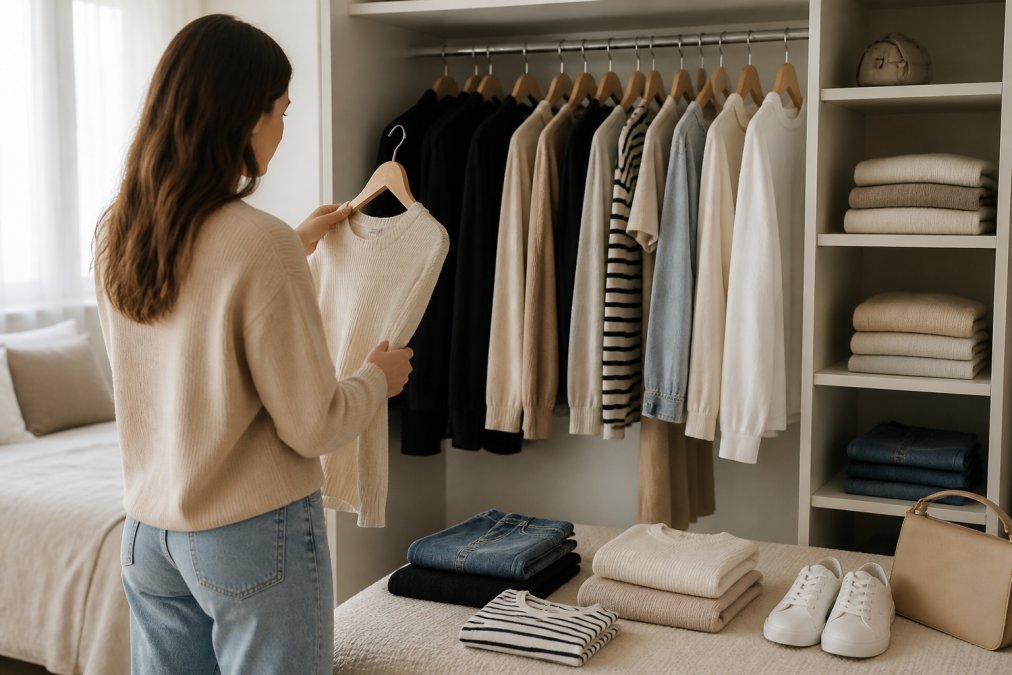
Table of Contents
- Why a Capsule Wardrobe Matters More Than Ever
- Step 1: Edit Your Closet Before You Buy Anything
- Step 2: Define Your Personal Style and Silhouette
- Step 3: Choose Your Color Palette and Neutral Tones
- The Capsule Wardrobe Checklist for Women
- How to Build a Capsule Wardrobe on a Budget
- Versatile Additions: The Casual Wear Jumpsuit
- Minimalist Fashion Trends 2026: What to Keep
- Frequently Asked Questions
Last Updated: September 4, 2026
Why a Capsule Wardrobe Matters More Than Ever
A capsule wardrobe is a curated collection of versatile, high-quality pieces designed to mix and match effortlessly. The average woman wears only about 20 percent of what she owns (huffpost.com). This guide from Urban Mode Wear Store breaks down how to build capsule wardrobe 2026 strategies that fight decision fatigue and wasted spending.
With the rising cost of living, shoppers are shifting toward quality over quantity. Below, we show you how to edit, plan, and construct a wardrobe that works for your real life.
Most guides get this wrong: they tell you to throw everything away and start fresh with a rigid list. That approach fails because it ignores your body, your climate, and your actual lifestyle.
Step 1: Edit Your Closet Before You Buy Anything
The biggest mistake is shopping first and editing second. You cannot curate what you do not see, so your first task is a full wardrobe edit, pulling everything out and assessing each item honestly.

The Four-Box Method, Adapted for Capsule Building
Most organizers use a four-box method, but it fails capsule builders because it does not separate "repair" from "keep." Use these five boxes instead:
- Keep, worn in the last 3 months and fits your current body and life.
- Repair, a great piece with a fixable flaw: loose button, broken zipper, hem gap, or pilling that a fabric shaver can remove.
- Alter, fits 80 percent but needs tailoring: waist taken in, sleeves shortened, or shoulders adjusted. A $25 tailor bill can rescue a $120 garment.
- Sell, in good condition but wrong size, style, or color for your capsule. This funds your replacement pieces.
- Release, stained, stretched out, or simply past its useful life. This goes to textile recycling, not a landfill if you can avoid it.
The Hanger Test, Done Right
The classic hanger test takes three months to produce data. Run a faster version instead. Pull everything out, and for each item ask three questions:
- Did I wear this in the last 90 days? If no, why not?
- Does it fit my body as it is today, not as it was two sizes ago?
- Does it pair with at least three other items in this room right now?
A "no" on any question sends the item to repair, alter, sell, or release. A "yes" on all three earns a spot in the keep pile. This takes one afternoon, not one season.
The Repair Triage: What Is Actually Worth Fixing
Before you commit to a tailor, run a cost-benefit check. If the repair costs more than 30 percent of replacement value, skip it unless the piece is irreplaceable or central to your capsule. A $20 zipper replacement on a $150 pair of weekly-worn trousers is a clear yes. A $40 repair on a $50 blazer worn twice last year is a clear no.
Resale Logistics: Where Your Castoffs Actually Go
Selling takes effort. Here is the practical landscape for the U.S. market:
- Poshmark and Mercari, best for mid-tier brands (Madewell, Everlane, Anthropologie) and denim. Photograph on a plain background, list at 30-40 percent of retail, and expect offers at 20-25 percent below your asking price.
- The RealReal and Vestiaire Collective, only for luxury labels (Stuart Weitzman, Theory, Vince) where authentication adds value. Consignment fees run 20-40 percent, so price accordingly.
- eBay, best for niche or vintage pieces with a dedicated buyer base. Auction formats work for rare items; fixed price works for staples.
- ThredUP, the lowest-effort option. You mail a clean-out kit, they photograph and list items, and you earn a payout only when items sell. Expect pennies on the dollar for most pieces, but it is faster than any alternative.
The One-Week Cooling Period
Before you release anything you are on the fence about, box it up and store it out of sight for one week. If you do not reach for it in seven days, it goes. This prevents the regret-rescue for a hypothetical event that almost never comes.
Watch Out
Do not edit your closet while tired, hungry, or emotionally attached to a past version of yourself. Edit on a Saturday morning with good light, a full stomach, and a honest friend on call for a second opinion.
This process takes a full afternoon, but it is the foundation everything else builds on. The goal is a closet where every item has a job, and you know exactly what that job is.
Step 2: Define Your Personal Style and Silhouette
Once your closet is edited, you can see what remains, which reveals your natural preferences. A capsule wardrobe is not about erasing your personality; it is about amplifying the silhouettes that flatter you.
Look for patterns in what you kept. Did most favorites have a fitted waist? Tailored trousers or flowing dresses? This tells you your preferred silhouette. Every future purchase then passes a simple test: does it match my shape and my style?

For plus-size women, finding flattering cuts is often the hardest part of capsule planning. The key is seeking brands that design for curves from the start, not as an afterthought. Urban Mode Wear crafts pieces with flattering fits for every curve, ensuring you feel confident and authentic in every moment. As you define your style, create a mood board or Pinterest folder of outfits you love, then identify the recurring elements. Those recurring elements become your capsule criteria.
Step 3: Choose Your Color Palette and Neutral Tones
A capsule wardrobe checklist for women always begins with color strategy, because a cohesive palette makes 30 pieces feel like 100 outfits. Choose 2 to 3 base neutrals, such as black, white, beige, or navy, then add 2 to 3 accent colors that complement your skin tone.
The goal is that every top pairs with every bottom, no thinking required. This versatility is the engine of a successful capsule.
Neutral tones like camel, cream, and gray act as your wardrobe foundation, while accent colors inject personality. A simple rule: 70 percent of your capsule should be neutrals, 30 percent accents.
Pro Tip
Test your palette by laying out your five most-worn items. If they do not naturally coordinate, your palette is too scattered. A capsule works when you can reach for any piece blindly and still look intentional.
The Capsule Wardrobe Checklist for Women
A true capsule is built on capsule essentials that carry you through every season with minimal additions. Here is a starting framework that balances professional polish with weekend ease:
- Tops: 2 silk or cotton blouses, 2 quality t-shirts, 1 knit sweater, 1 cardigan or jacket
- Bottoms: 1 tailored trouser, 1 dark-wash jean, 1 versatile skirt
- Dresses: 1 classic sheath or wrap dress for events and office
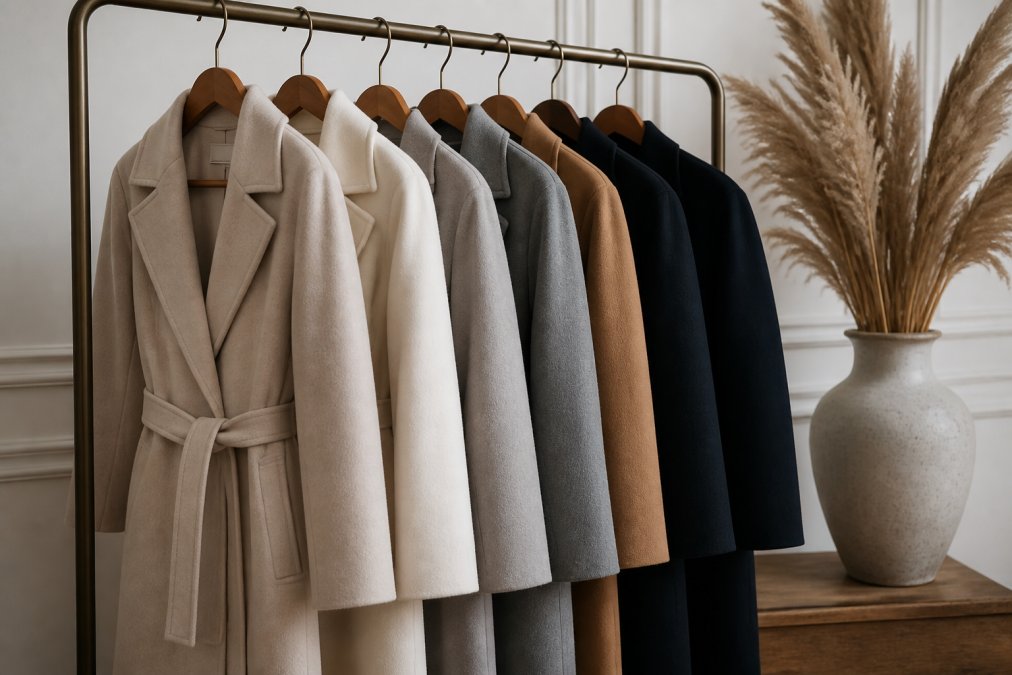
- Outerwear: 1 structured blazer, 1 trench or wool coat
- Shoes: 1 pair of loafers or flats, 1 pair of heels, 1 pair of clean sneakers
| Capsule Zone | Core Pieces | Role in Your Wardrobe |
|---|---|---|
| Tops | Blouses, tees, knits | Base layers for every outfit formula |
| Bottoms | Trousers, jeans, skirts | Silhouette anchors and style drivers |
| Dresses | Sheath or wrap styles | One-piece solutions for high-visibility days |
| Outerwear | Blazer, coat | Transforms casual looks into professional ones |
| Shoes | Flats, heels, sneakers | Completes proportion and sets the tone |
A transitional wardrobe requires pieces that shift from office to city wear without a costume change. Look for elevated basics: a high-waisted pant that reads professional with a blazer and relaxed with a tee.

How to Build a Capsule Wardrobe on a Budget
Minimalist fashion trends 2026 do not require a designer budget, but they do require a shift in how you think about spending. The most sustainable fashion is what you already own.
Investment Pieces vs. Cost-Per-Wear
Cost-per-wear is the truest measure of value: divide the price by the number of wears. A $100 blouse worn 50 times costs $2 per wear; a $20 fast-fashion top worn twice costs $10 per wear.
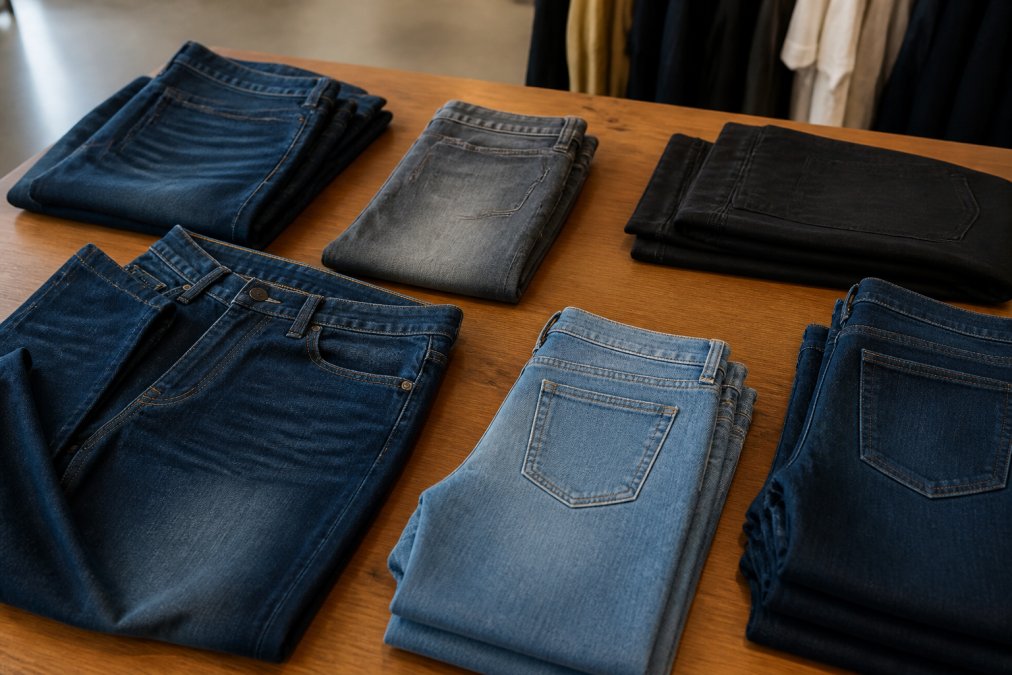
When you do buy, prioritize investment pieces in your neutral base: coats, tailored trousers, and premium denim. Budget-conscious capsule building means spending on structure and saving on trends. A trendy top from a lower-priced retailer is fine; a trendy coat that falls apart is not.
Versatile Additions: The Casual Wear Jumpsuit
One of the smartest additions to a capsule is a casual wear jumpsuit, because it delivers the impact of a dress with the ease of separates. A well-cut jumpsuit is a complete outfit in one garment.
The Women's Pull-On Relaxed High Rise Pant from Urban Mode Wear exemplifies this transitional thinking. Its drapey pocket detail and tapered leg read effortlessly chic, while the elastic waistband keeps comfort front and center. You can tuck a tee and add sneakers for weekend errands, or swap in a blazer and heeled boots for dinner out.

This is the philosophy behind capsule strategy: each piece should earn its place by working in multiple contexts. If a garment only works for one occasion, it is not a capsule piece.
Minimalist Fashion Trends 2026: What to Keep
The Ellen MacArthur Foundation's circular fashion research highlights that extending a garment's life by just nine months reduces its environmental impact significantly. This aligns with the 2026 shift toward capsule maintenance over constant acquisition: buying fewer, better things and caring for them properly.
What to keep from the current trend cycle? Texture and structure. Jacquard knits, tailored trousers, and high-quality cottons are all having a moment, and they are also timeless. What to skip? Anything that only works in one silhouette or one season.
The Missing Chapter: How to Make Your Capsule Last Five Years
Every guide tells you to buy quality. Almost none tell you how to keep it alive. The average U.S. household spends over $1,700 per year on clothing, yet most garments are discarded after just 7 to 10 wears. The fix is not buying more, it is a maintenance system most capsule guides skip.
The 5-Minute Weekly Care Routine
Capsule maintenance is a weekly habit. Block five minutes each Sunday:
- Inspect, check for loose threads, missing buttons, and emerging pilling on the pieces you wore most.
- De-pill, use a fabric shaver (a $15-20 tool) on knits and sweaters before pills set in. Waiting until they are matted makes the garment unwearable.
- Spot-treat, address stains immediately with a stain stick or a dab of dish soap on the affected area. Do not let stains set through a wash cycle.
- Air out, hang worn pieces overnight before returning them to the closet. This reduces odor and bacteria buildup, meaning fewer washes.
- Rotate, move the pieces you wore to the back of the rack so the untouched ones stay visible.
Washing: The Single Biggest Capsule Killer
Most capsule pieces die in the washing machine, not on your body. The three rules that matter most:
- Cold water, always. Hot water shrinks natural fibers and breaks down elastic. Unless a garment is visibly soiled or you are dealing with a genuine biohazard, cold is sufficient.
- Delicate cycle for anything with a zipper, button, or embellishment. The agitation of a normal cycle is what causes seams to fray and buttons to loosen.
- Air-dry anything that is not underwear, socks, or gym clothes. The dryer is responsible for most shrinkage, pilling, and elastic failure. A $20 drying rack pays for itself in the first month of rescued garments.
The Repair Kit Every Capsule Owner Needs
You do not need a sewing machine. You need five items that solve 90 percent of common garment failures:
- A needle and thread in your capsule's neutral tones (black, white, and one accent color)
- A fabric shaver for pilling
- A lint roller for pet hair and dust
- Fabric glue (not superglue) for hems and loose trims
- A seam ripper for fixing misplaced stitches and removing tags
The Seasonal Rotation, Formalized
Key Takeaway
The most important capsule maintenance habit is the seasonal rotation. Store off-season items, refresh your palette with one or two new accents, and reassess what you actually wore. This keeps your capsule alive without letting it balloon back into clutter.
Here is the concrete mechanism. Twice a year, at the equinoxes, which are easy to remember, do a 90-minute rotation:
- Pull everything out.
- Set aside anything you did not wear this season. Ask why. If the answer is "it does not fit" or "it does not pair with anything," it goes to repair, alter, sell, or release.
- Store off-season items in breathable cotton garment bags or bins. Vacuum-sealed bags work for bulk but crush structured pieces like blazers and coats.
- Add one or two new accent pieces that fill a gap you actually noticed this season, not a trend you saw online.
- Reassess your palette. If you wore your camel coat 40 times and your gray one twice, the gray one is a candidate for release next season.
The 10-Wear Rule for New Purchases
Before any new piece enters your capsule, run the 10-wear test. Will you realistically wear this at least 10 times in the next year? Divide the price by 10. If the cost-per-wear exceeds what you would pay for a comparable item at a fast-fashion retailer, the purchase fails the test. This rule filters out occasion-only purchases, trend pieces, and impulse buys that look great on the hanger and never leave it.
When to Repair vs. When to Replace
A common pattern is holding onto a garment past its useful life out of loyalty to the original investment. That is a mistake. A stained white blouse that cannot be cleaned is not a capsule piece, it is clutter. If a repair costs more than 30 percent of replacement value and the garment is not central, replace it. If it is central, your go-to blazer, your everyday trousers, repair it without hesitation.
The real challenge of capsule dressing is not the initial edit, it is staying disciplined about what you allow back in. That discipline is easier when your pieces are genuinely versatile and built to last. Research on consumer clothing use from the World Resources Institute confirms that many garments are worn only a handful of times before being discarded, a pattern that a thoughtful capsule directly reverses.
Frequently Asked Questions
What is the 5-4-3-2-1 capsule wardrobe method?
The 5-4-3-2-1 method is a popular framework for building a capsule wardrobe. It involves choosing 5 tops, 4 bottoms, 3 layering pieces or outerwear, 2 pairs of shoes, and 1 accessory or statement piece. This creates a focused collection of 15 core items that can mix and match to create dozens of outfits. It simplifies the process by limiting choices, helping you focus on versatile pieces that work together.
How many items should be in a 2026 capsule wardrobe?
A 2026 capsule wardrobe typically contains between 25 and 40 items, including clothing, shoes, and outerwear. The exact number depends on your lifestyle and climate. The focus is on quality over quantity. The goal is to have enough versatile pieces to create a variety of outfits for work, social events, and casual wear without feeling overwhelmed by decision fatigue. Start with a smaller number and adjust as you learn what you truly wear.
What are the most common capsule wardrobe mistakes to avoid?
A common mistake is keeping items that don't fit your current body or lifestyle. Another is choosing a color palette that is too restrictive, leaving you feeling bored. Avoid buying duplicates of items you already own, and don't neglect the importance of fit. Many people also forget to plan for seasonal rotation. Finally, don't feel pressured to buy everything at once; building a capsule is an ongoing process of curation.
What should a women's work capsule wardrobe be in 2026?
A 2026 work capsule wardrobe focuses on polished, comfortable pieces that transition from office to evening. Essential items include tailored trousers, a blazer, wrinkle-resistant knit pants, and versatile blouses. A casual wear jumpsuit is also a smart addition, offering a one-piece outfit that looks professional. The key is choosing a neutral color palette with a few accent colors, ensuring every top works with every bottom for effortless dressing.