Cart
0

Table of Contents
- Understanding Fabric Quality: Natural vs. Synthetic Characteristics
- How to Identify High-Quality Clothing: A Practical Checklist
- Top Fabric Options for Warm Climates and Breathability
- Durability, Wrinkle Resistance, and Sustainable Bio-Based Fabrics
- Is Expensive Clothing Worth It? A Cost-Per-Wear Analysis
- How to Care for Premium Clothing Fabrics
- Skin Sensitivity, Hypoallergenic Fabrics, and Layering Performance
- Conclusion: Building a Wardrobe of Lasting Quality
- Frequently Asked Questions
Last Updated: September 26, 2026
Understanding Fabric Quality: Natural vs. Synthetic Characteristics
The best quality fabrics for women clothing are not defined by a single fiber type. They are defined by how a fiber's natural properties match the garment's purpose. A common mistake is assuming natural always beats synthetic. In practice, a well-constructed polyester blend can outlast a poorly woven cotton piece, and the reverse is equally true.
How to Identify High-Quality Clothing: A Practical Checklist
High-quality clothing reveals itself through construction, not price tags. Run through this checklist before you buy anything, in store or online.

- Fiber content listed with specific percentages, not vague terms like "fabric blend"
- Stitch density of 8-12 stitches per inch on visible seams
- Seams lie flat with no puckering or loose threads
- Buttons, zippers, and closures feel secure and move smoothly
- Fabric springs back when gently stretched
- Lining matches the garment's weight, not heavier than the shell
- Care label gives specific instructions, not just symbols
Checking Fiber Content, GSM, and Stitch Density
GSM (grams per square meter) measures fabric weight and density. A lightweight summer blouse typically falls between 100-150 GSM, while a structured winter coat runs 300 GSM and above. Heavier GSM usually signals better durability, though it also means less breathability.

Pro Tip
Turn the garment inside out before buying. Finished inner seams, not just outer ones, separate a well-made piece from a rushed one. Most shoppers never check this, which is exactly why it works as a filter.
Top Fabric Options for Warm Climates and Breathability
Breathability and moisture-wicking performance decide whether a fabric works in heat. The mechanism matters: breathability is about how easily air moves through the weave, while moisture-wicking is about how a fiber moves liquid away from skin to the surface where it can evaporate. A fabric can excel at one and fail at the other, which is why "summer fabric" is not a single category.
Moisture-Wicking and Drape: Poplin, Lawn, and Seersucker
Poplin uses a tight plain weave with fine warp threads and thicker weft threads, giving it a crisp hand-feel and slight wrinkle resistance. It typically runs 110-140 GSM, which makes it structured enough for button-downs but less airy than an open weave. Lawn is lighter and more sheer, often 70-100 GSM, ideal for summer blouses where drape matters more than structure.
| Fabric | Typical GSM | Best For | Breathability | Moisture Handling | Drape |
|---|---|---|---|---|---|
| Poplin | 110-140 | Structured blouses | Moderate | Absorbs, slow dry | Crisp |
| Lawn | 70-100 | Sheer summer tops | High | Absorbs, slow dry | Soft |
| Seersucker | 100-140 | Humid climates | High | Absorbs, moderate dry | Textured |
| Bamboo blend | 120-160 | Base layers | High | Wicks, fast dry | Fluid |
| Linen | 140-200 | Hot, dry climates | Very high | Wicks, fast dry | Relaxed |
| Satin (polyester) | 80-120 | Evening wear | Low | Poor wicking | Flowing |
Pro Tip
In humid heat, prioritize moisture movement over pure airflow. A wicking bamboo base under a loose linen shirt outperforms a single heavy cotton layer because the base moves sweat and the linen lets air through.
Watch Out
Very light GSM fabrics (under 80) feel cool but often wear out faster at stress points like underarms and hems. If you want a summer piece to last multiple seasons, look for 100-140 GSM with a tight-enough weave that light does not pass through the seams.
Durability, Wrinkle Resistance, and Sustainable Bio-Based Fabrics
Durability comes from fiber length, weave tightness, and finish, not from brand name. Longer fibers create stronger yarn, which is why combed cotton outlasts standard cotton over years of washing.
Watch Out
Chasing wrinkle resistance alone leads to stiff, synthetic-heavy garments that trap heat. Balance wrinkle performance against breathability for the season you'll actually wear the piece in.
Is Expensive Clothing Worth It? A Cost-Per-Wear Analysis
Here's the formula:
Cost per wear = Purchase price ÷ Estimated number of wears
How to Care for Premium Clothing Fabrics
Premium fabrics fail from poor care, not poor construction. Most premature wear traces back to heat, harsh detergent, and improper storage.
Washing, Pressing, and Storing Delicate Textiles
Wash delicate textiles in cold water on a gentle cycle, or hand wash when the label allows. Use mild detergent and skip fabric softener, which coats fibers and reduces absorbency. Press on the lowest effective heat, working from the inside out to avoid shine marks. Store knits folded rather than hung to prevent shoulder stretch, and keep structured pieces on wide hangers with breathing room.
Skin Sensitivity, Hypoallergenic Fabrics, and Layering Performance
Most fabric guides stop at comfort. Two areas they consistently miss are skin sensitivity and how fabrics perform when layered, and both matter for anyone building a wardrobe that works year-round.
Hypoallergenic Fabrics for Sensitive Skin
Reactions to clothing usually come from three sources: the fiber itself, the dyes and finishes applied to it, and how tightly the fabric traps moisture against skin. Fiber choice is only part of the equation.
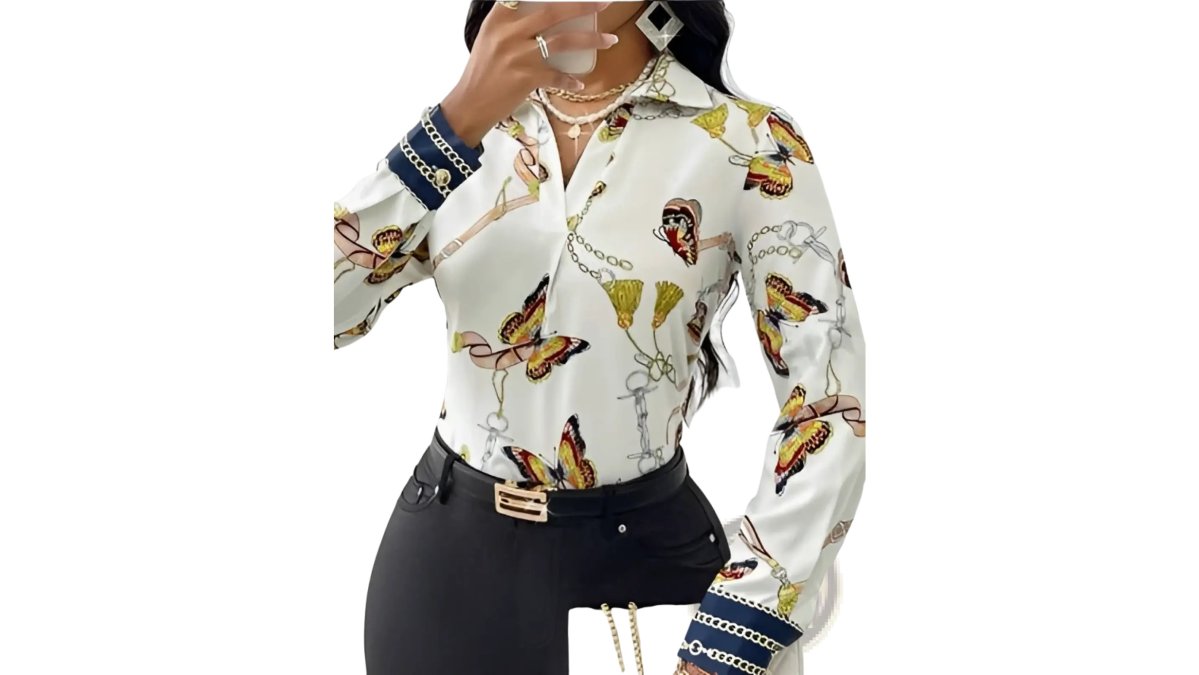
Women's Butterfly and Chain Print Long →
Fibers that most practitioners consider low-irritation include:
- Cotton (especially organic or combed): Soft, breathable, and free of the lanolin that triggers wool reactions. Combed cotton removes short fibers, reducing the scratchy surface that irritates skin.
- Bamboo viscose and lyocell: Naturally smooth fibers with a rounded cross-section, so they glide rather than catch on skin. Both are commonly recommended for eczema-prone wearers.
- Silk: Smooth protein fiber that regulates temperature well. Silk noil is textured and can irritate, so look for smooth charmeuse or habotai for sensitive skin.
- Modal and Tencel: Regenerated cellulose fibers with a smooth surface and high moisture absorption, often blended with cotton for softness.
Fibers to approach with caution:
- Wool and mohair: The fiber's scales catch on skin and cause the classic itch. Merino is finer and less irritating, but still a trigger for some.
- Polyester and nylon: Not inherently irritating, but they trap heat and moisture, which can worsen irritation in sensitive skin.
- Anything with heavy finishes: Wrinkle-resistant, stain-repellent, and anti-static finishes often contain chemicals that provoke reactions. If a garment claims "no-iron," check whether it is a fiber property (like polyester) or a chemical finish.
Key Takeaway
For sensitive skin, the safest formula is a smooth fiber (cotton, bamboo, lyocell, or silk) plus a light color plus a minimal finish. Fiber alone does not guarantee comfort if the dye or finish works against you.
Layering Performance by Fabric Weight
Layering is not about piling on more clothes. It is about sequencing fabrics so each layer does a specific job. The gap most wardrobes have is that every layer is roughly the same weight and fiber, which traps moisture and creates bulk without warmth.
A functional three-layer system looks like this:
- Base layer (100-160 GSM): Sits against skin. Should wick moisture and feel smooth. Bamboo viscose, lyocell, merino, or a cotton-modal blend work here. Avoid heavy cotton, which holds sweat.
- Mid layer (180-280 GSM): Provides insulation. Knit sweaters, fleece, or flannel. Wool and wool blends insulate even when damp, which is why they outperform cotton in cold, wet conditions.
- Outer layer (300+ GSM): Blocks wind and light rain. A structured wool coat or a tightly woven shell. This layer does not need to breathe as much because the inner layers handle moisture.
Pro Tip
For year-round versatility, build around a 120-160 GSM base layer and a 250-300 GSM mid layer. Those two weights cover most of spring, fall, and mild winter when combined, and the base alone handles summer.
Matching Fabric to Skin and Season Together
The two concerns overlap. A wool sweater that insulates well in winter may irritate sensitive skin, so a cotton or bamboo base layer underneath solves both problems. A linen shirt that breathes well in summer may feel rough against eczema-prone skin, so a smooth cotton or silk camisole underneath does the same job. The principle is consistent: put the smooth, moisture-moving fiber against skin, and let the structured, insulating, or protective fiber sit on top.
Conclusion: Building a Wardrobe of Lasting Quality
Building a wardrobe of lasting quality means choosing fiber content, GSM, and construction over trend cycles. The challenge is finding pieces that hold up across seasons without sacrificing style.
Frequently Asked Questions
What is the highest quality fabric for women's clothing?
The highest quality fabrics depend on the garment's purpose. For breathability and hypoallergenic qualities, natural fibers like Giza cotton, silk noil, and bamboo viscose are excellent. For durability and wrinkle resistance, synthetic blends like polyester with elastane offer stretch and shape retention. Look for high GSM (grams per square meter) and tight weave structures like twill or sateen for long-lasting wear.
How can you tell if a garment is made of high-quality fabric?
Check the fiber content label for natural fibers or performance blends. Feel the hand-feel: quality fabrics are soft, dense, and not overly thin. Examine stitching and seams for tight, even stitches. Hold it to the light to check for opacity. High-quality fabrics like poplin or micromodal maintain their shape and resist pilling after multiple washes.
Is expensive clothing always made with better quality fabric?
Not always. Price can reflect brand name or marketing, not just materials. However, expensive clothing often uses higher GSM fabrics, natural fibers like cupro or silk, and better construction. Evaluate cost-per-wear: a $60 blouse worn 50 times costs $1.20 per wear, often beating a $20 fast-fashion top that fades after five washes.
What are the best breathable fabrics for women's clothing?
Linen, cotton lawn, seersucker, and bamboo viscose are highly breathable and moisture-wicking. These fabrics allow air circulation and absorb sweat, keeping you cool in warm climates. For active or humid conditions, blends with spandex add stretch without sacrificing breathability. Avoid tightly woven synthetic fabrics that trap heat and moisture.
How does fabric composition affect the longevity of a garment?
Fabric composition determines how well a garment resists pilling, fading, and stretching. Natural fibers like cotton and silk degrade gracefully but may wrinkle. Synthetic blends like polyester and elastane add tensile strength and shape retention. A blend of 95% polyester and 5% elastane, like in the Butterfly and Chain Print Blouse, balances durability with flexibility for long-lasting wear.
How should I care for premium clothing fabrics to make them last?
Always check the care label. For most premium fabrics, machine wash with gentle detergent in cold water and avoid dry cleaning harsh chemicals. Turn garments inside out to protect the surface. Air dry when possible to prevent shrinkage. Store folded or on padded hangers to maintain shape. Proper care extends the life of fabrics like satin, corduroy, and wool blends.